
UtilsDaily

Personal finance Articles

Federal Reserve building entrance at dusk with stone columns in amber light and blurred street traffic below โ€” representing the March 2026 FOMC rate decision
US Finance ยท 9 min read

Fed Holds in March 2026: What It Means for Your Mortgage, Savings, and Next Move

The Federal Reserve held its benchmark rate at 3.50%โ€“3.75% at the March 18โ€“19, 2026 FOMC meeting, voting 11โ€“1. The dot plot projects one cut in 2026. The 30-year mortgage sits at 6.22% (Freddie Mac, March 19). Top HYSA rates are at 4.21%. We break down what holding means for mortgage holders, savers, and anyone watching the dot plot for timing.

Glass mason jar filled with rolled currency and coins on weathered dark wood, beside a small emergency kit โ€” representing financial preparedness in an inflationary environment
Personal Finance ยท 8 min read

How Big Does Your Emergency Fund Need to Be in 2026? The Inflation-Adjusted Answer

The Federal Reserve's 2024 SHED survey found 45% of Americans lack three months of emergency savings. With PCE inflation projected at 2.7% in 2026 and top HYSA rates at 4.21%, the calculation for the right emergency fund size has changed. We model inflation erosion on a static emergency fund, show the opportunity cost of sitting in a 0.39% savings account, and build an updated framework for sizing your fund in 2026.

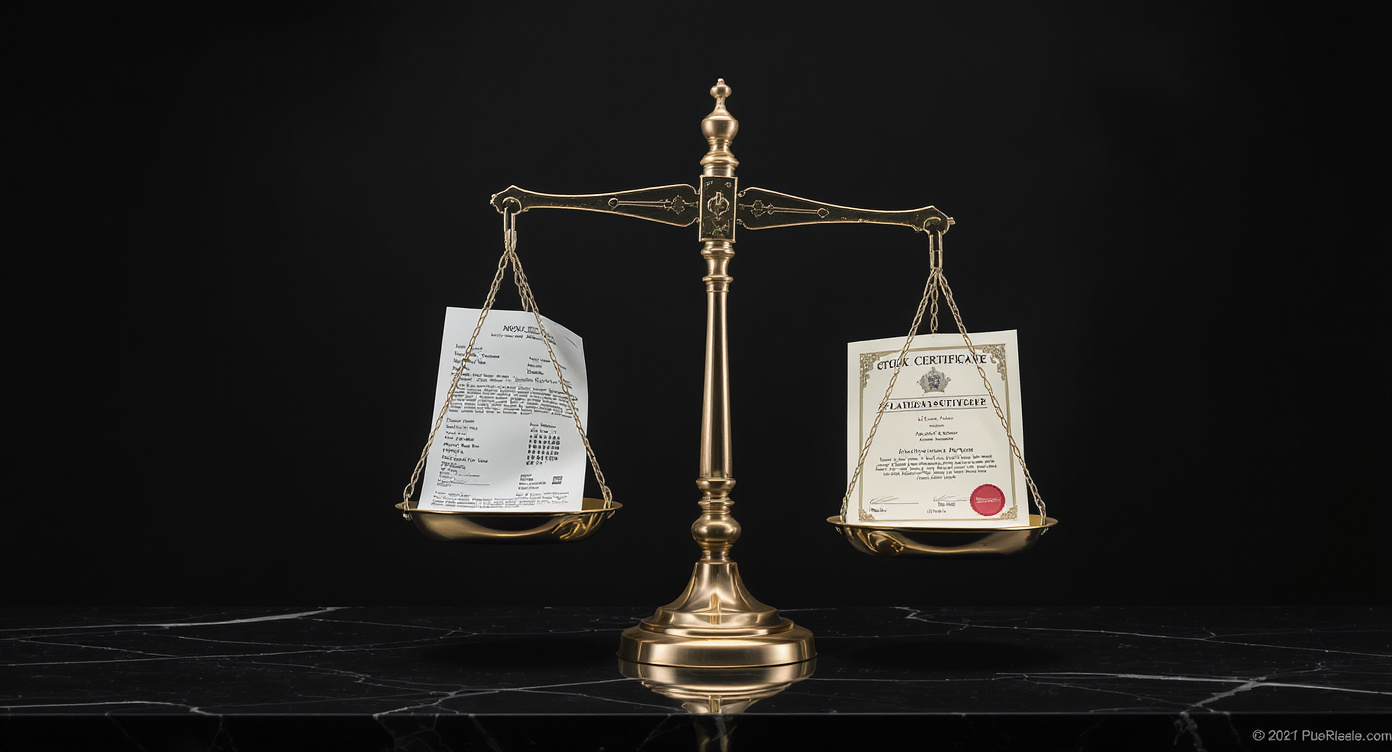
Brass weighing scale on dark marble with a credit card statement on one side and a stock certificate on the other, tilted to show an unresolved financial decision
Personal Finance ยท 9 min read

Pay Off Debt or Invest in 2026? The Break-Even Framework โ€” With Real Rate Data

The break-even framework for debt vs. investing: if your debt interest rate exceeds your expected after-tax investment return, pay off the debt first. In 2026, that makes credit cards (19.58% APR) and many personal loans (12.26%) clear priorities for payoff. But mortgages at 6.22% and student loans at 6โ€“8% fall below the S&P 500's ~10% historical return โ€” suggesting investing can win there. We model five-year outcomes for $500/month across four debt types using verified March 2026 rate data.

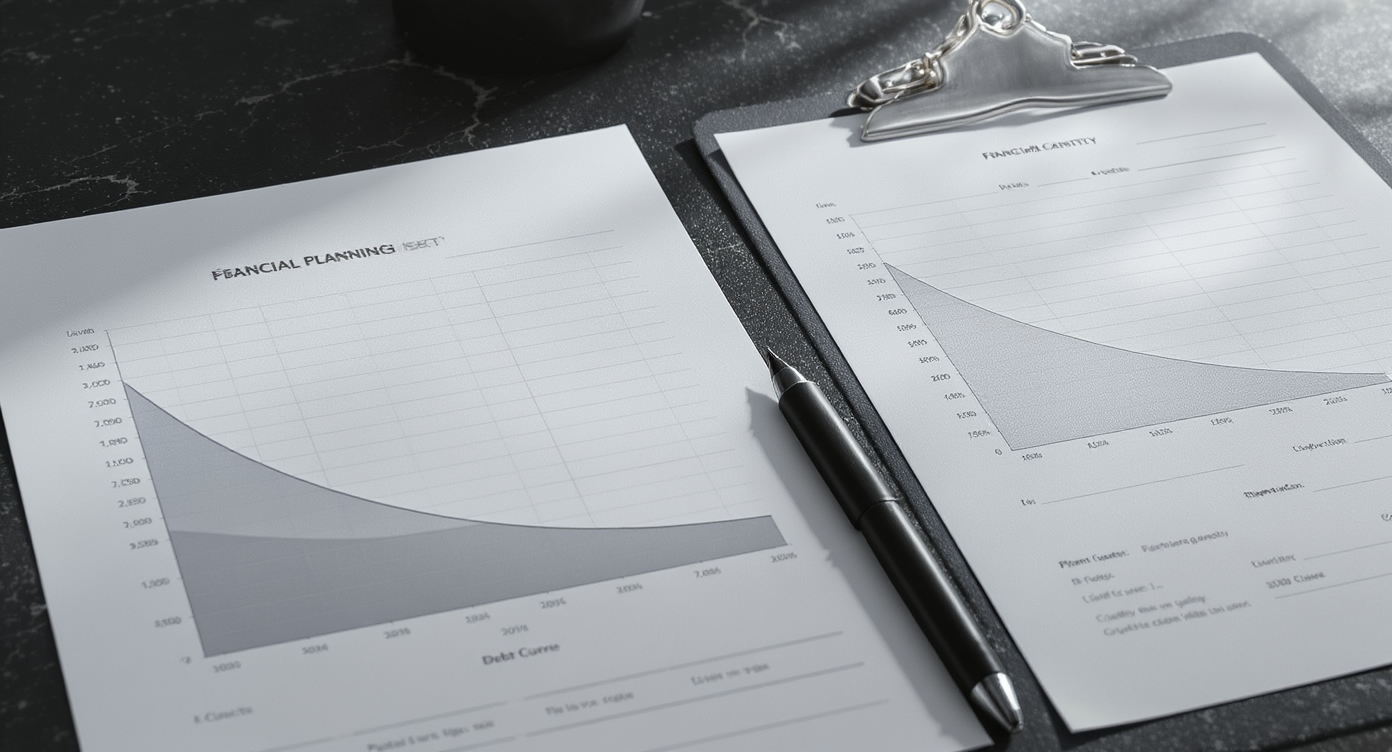
Two financial planning worksheets side by side on dark slate โ€” representing the two debt payoff strategy paths
US Finance ยท 9 min read

Debt Avalanche vs Debt Snowball: Which Payoff Strategy Saves More Money?

American households are carrying a record $18 trillion in debt. If you have multiple balances to pay off, the order you attack them matters โ€” and by more than you think. The avalanche method consistently saves more money, but the snowball method has a powerful psychological edge. Here's the real comparison with numbers.

Small sapling beside large mature tree trunk on dark slate โ€” representing the compounding power of starting to invest early
Personal Finance ยท 9 min read

Starting Investing at 25 vs 35: Why One Decade Creates a $600K Gap

Invest $300/month starting at age 25 and you'll have approximately $1,054,000 by age 65 at 8% average annual return. Start at 35 with the same amount and same return โ€” you end up with $449,000. That $605,000 gap was created by a single decade of delay. Here's the math behind it and what it means for your retirement.

Three glass containers of graduated sizes filled with sand, pebbles and stones on white marble โ€” representing the 50/30/20 budget allocation proportions
Personal Finance ยท 8 min read

50/30/20 Budget Rule: How It Works and When to Adjust It

The 50/30/20 rule is the most widely taught budgeting framework: 50% of take-home pay for needs, 30% for wants, 20% for savings and debt. It's simple โ€” and that simplicity is both its strength and its weakness. Here's how the rule works, what it looks like at different income levels, and when you should modify it.